Artist · Collection Two · 2021
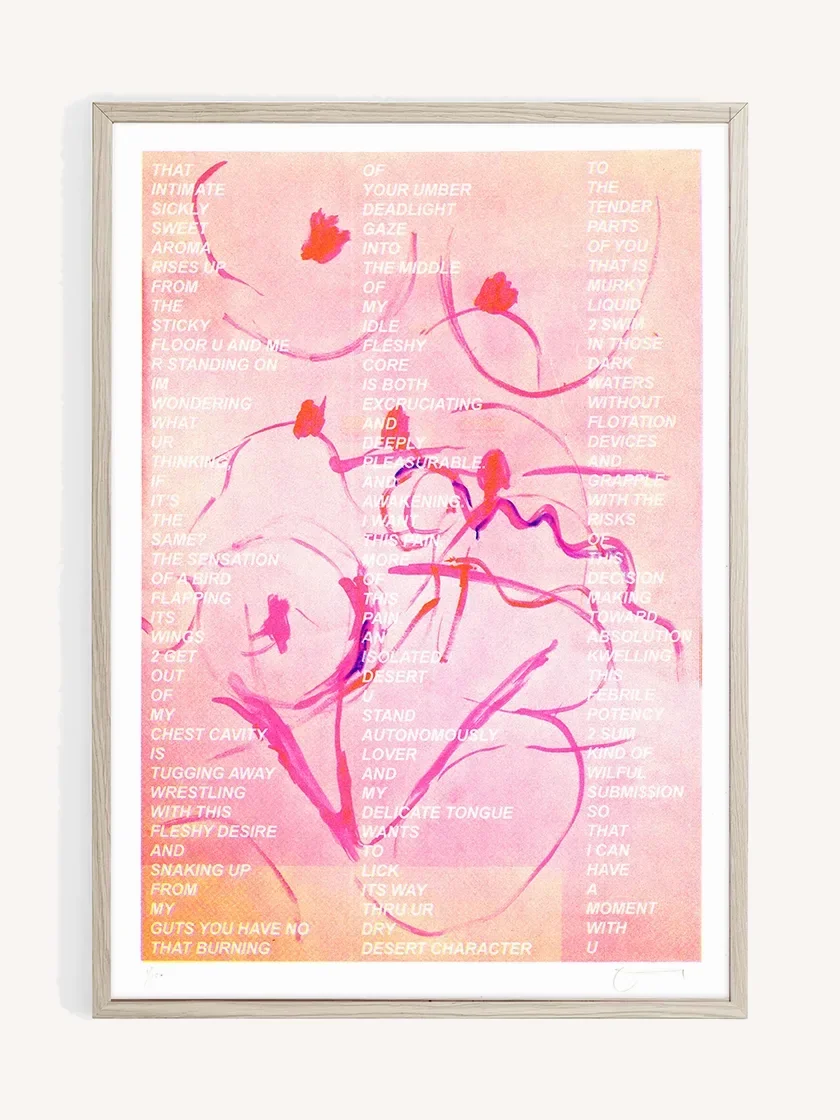
Prints by Olivia Strange
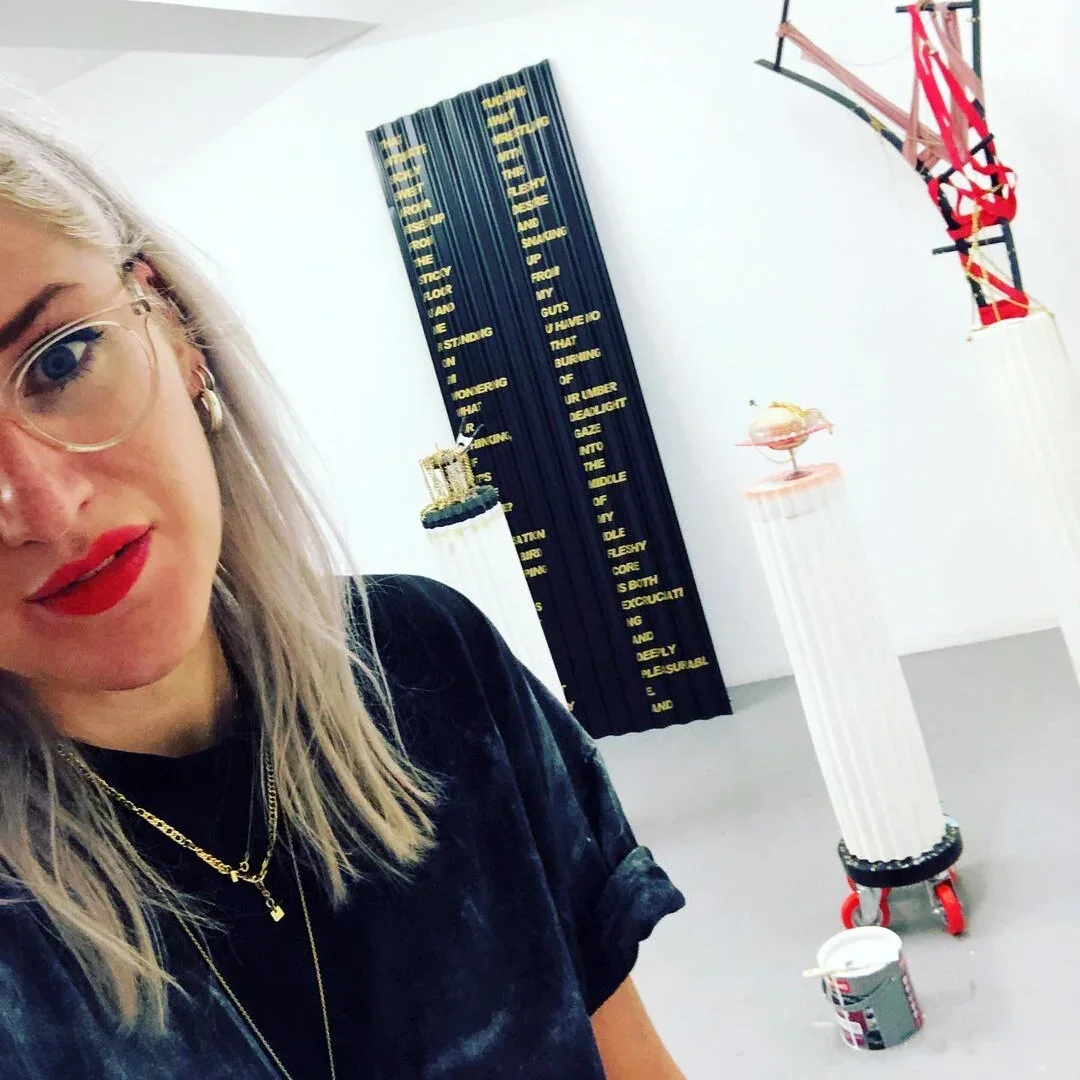
Olivia Strange is a British artist whose multidisciplinary practice interrogates female desire, queer subjectivity and the aesthetics of power. Working across sculpture, installation, drawing, painting, moving image and poetry, Strange constructs immersive visual narratives that blur the boundary between fantasy and lived experience.
Olivia Strange’s artworks are layered and theatrical, often incorporating symbolic motifs, eroticised imagery and shifting personas. Through these strategies, Strange destabilises the gaze — challenging patriarchal frameworks that have historically shaped representations of femininity and the “exotic.” Rather than rejecting fantasy, she reclaims it, reframing eroticism as a site of agency rather than objectification.
Olivia Strange completed her MA in Fine Art at Chelsea College of Art in 2017, graduating with Distinction. Since graduating, she has exhibited in solo and group presentations across the UK and internationally, contributing to contemporary dialogues around queer identity, embodiment and performance. She presented a major solo exhibition at Liminal Gallery, Margate in 2024 as well as a solo presentation the same year at London Art Fair curated by Gemma Rolls-Bentley which won the Critics Choice Award.
Across media, Olivia Strange deconstructs imposed identities while proposing new, self-authored modes of visibility.
Most recently, Olivia Strange took part in Selfsame at art’otel London Hoxton in January 2026, a group exhibition curated by Zoë Goetzmann exploring individuality and collective identity among women artists. It followed her presentation of The Real Housewives of Apotropaica at The Second Act Gallery, Shoreditch, from 31 October to 15 November 2025, which brought ancient mythologies into conversation with the television series The Real Housewives of Beverly Hills.
“Olivia explores desire, identity and the politics of looking through shifting characters and personas. Her work challenges the assumptions we bring to images of women and femininity.”